Multisensory Branding Research
About the project.
Traditional brand identities rely almost entirely on visual elements — logos, typography, color. This visual-centric approach systematically excludes the 2.2 billion people worldwide with visual impairments from experiencing brands on their own terms. This graduate capstone at Illinois State University asked a different question: what would a brand feel like if it was designed to be experienced through touch, sound, and scent — not just sight? Starting with a literature review across sensory marketing, haptic interface design, and sonic branding research, I developed three prototype concepts and tested them through semi-structured interviews with five participants across a range of visual abilities. The study's findings establish a working framework for multisensory brand system design — grounded in universal design principles and validated through direct user research.
What I did.
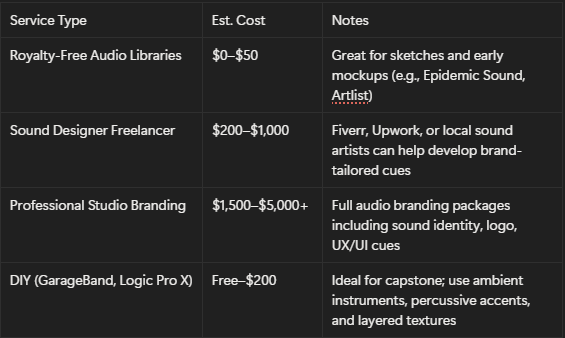
Sonic cues: sound
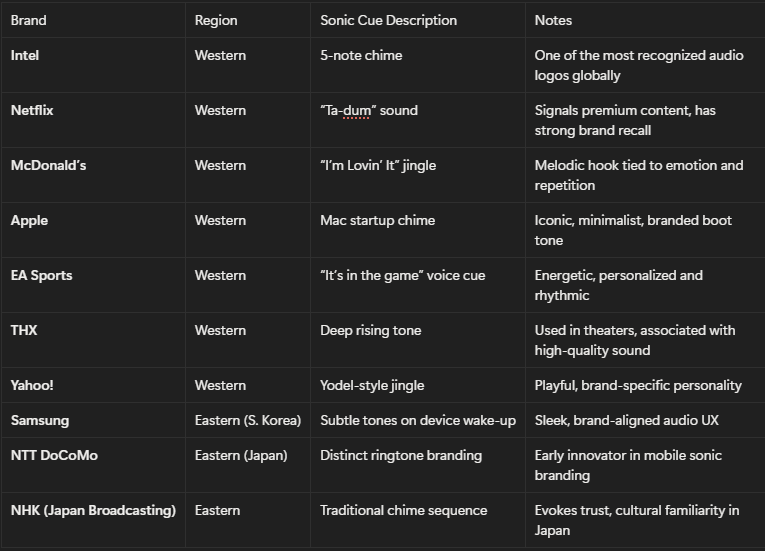
Research into sonic branding revealed that sound plays a vital role in creating accessible and emotionally resonant brand experiences, particularly for users who cannot rely on visual elements. Iconic audio logos like Netflix's "ta-dum," EA Sports' "It's in the game," and Intel's five-note chime demonstrate how simple, consistent, and emotionally charged sound cues build brand recognition and user trust. Scholarly research including Spence's The Power of Sonic Branding and Minsky and Fahey's Audio Branding reinforces that auditory elements enhance memory, orientation, and emotional impact. Cross-cultural studies reveal that sound perception varies globally, suggesting future sonic brand identities should consider regional context.
Tactile design: touch
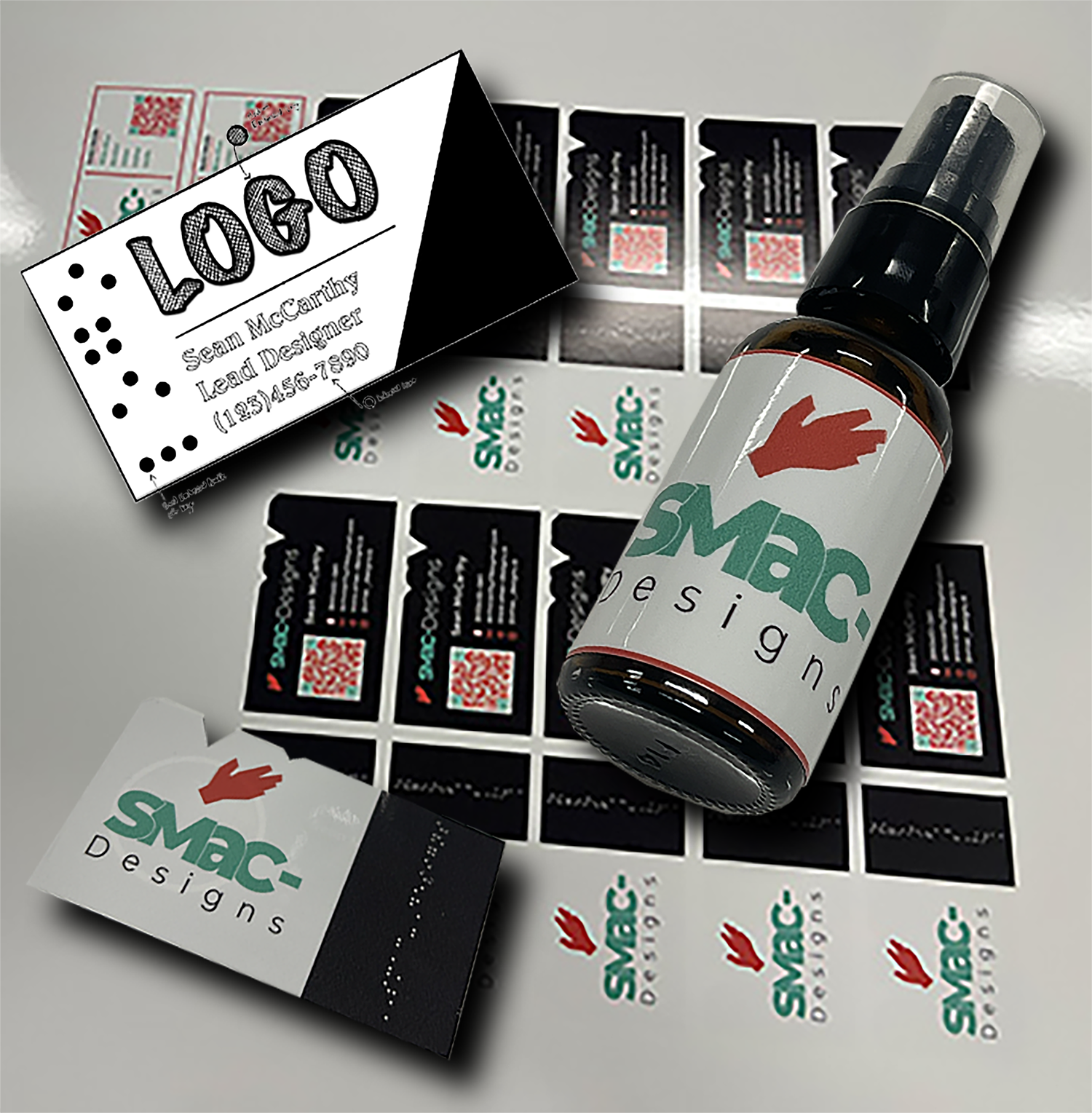
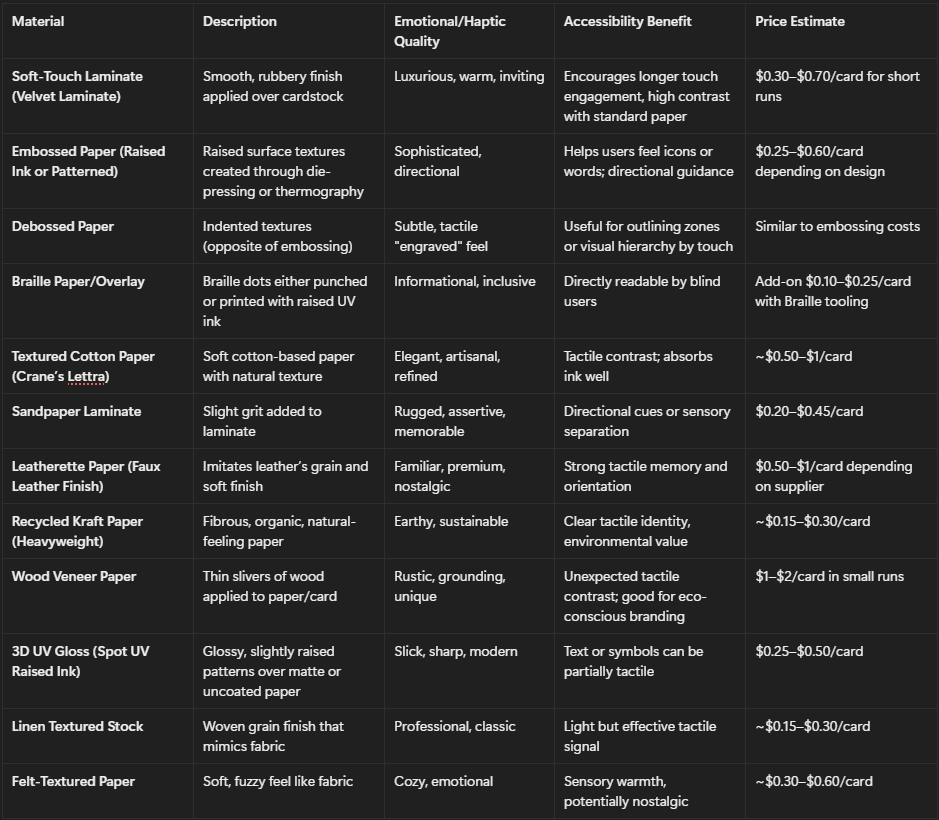
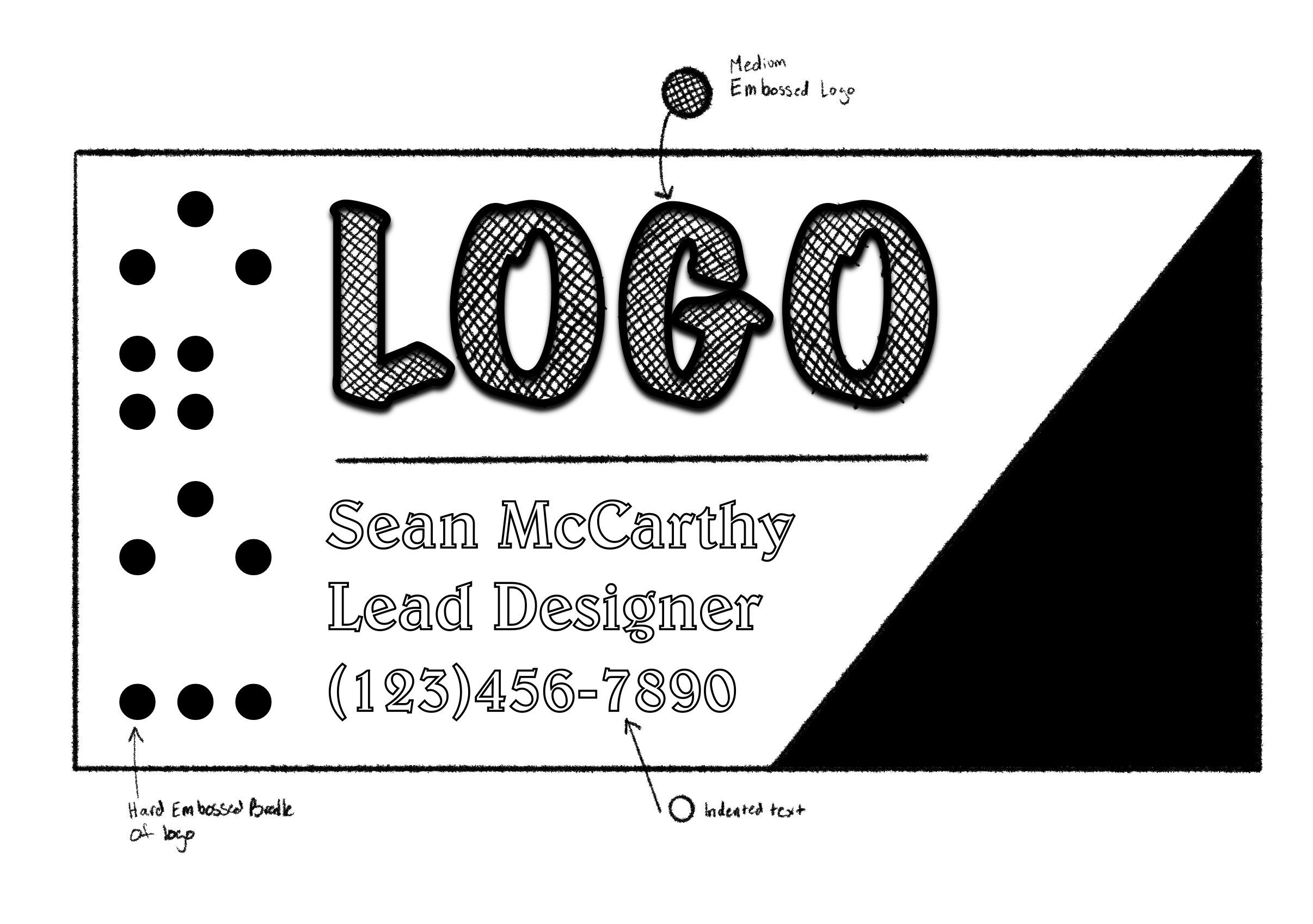
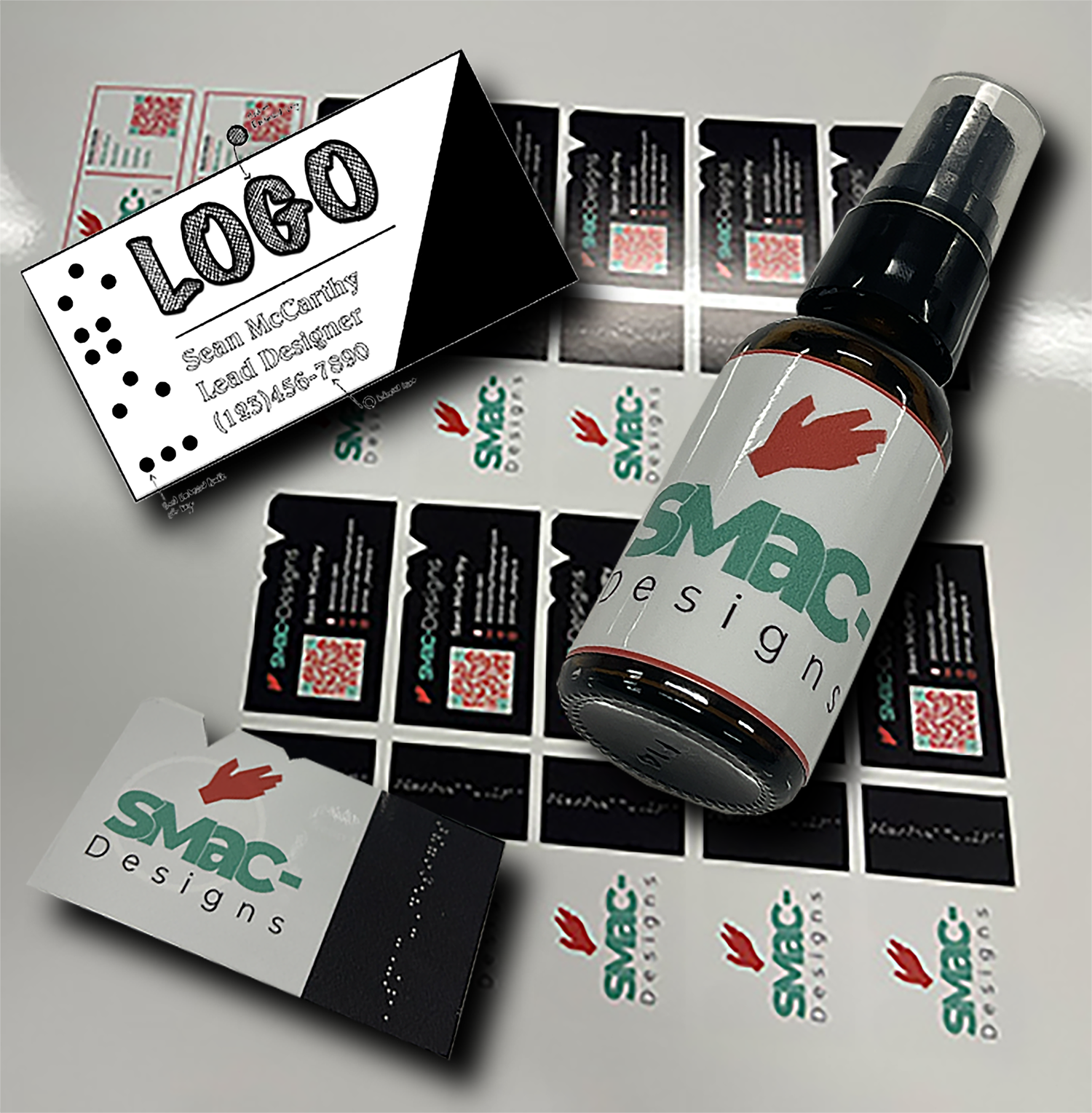
Tactile design has emerged as a powerful tool for building emotionally resonant and accessible brand experiences. The focus was on identifying everyday materials — textured paper, embossed patterns, and soft-touch finishes — that provide compelling haptic feedback while remaining affordable and scalable. These insights directly informed the tactile business card prototype, which emphasizes orientation, recognition, and inclusive communication through deliberate texture hierarchy.
Olfactory design: scent
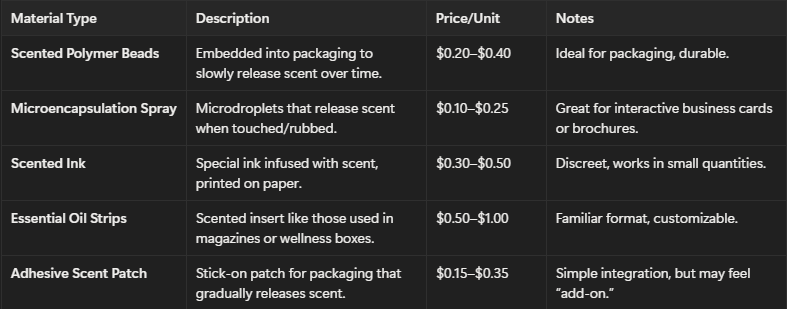
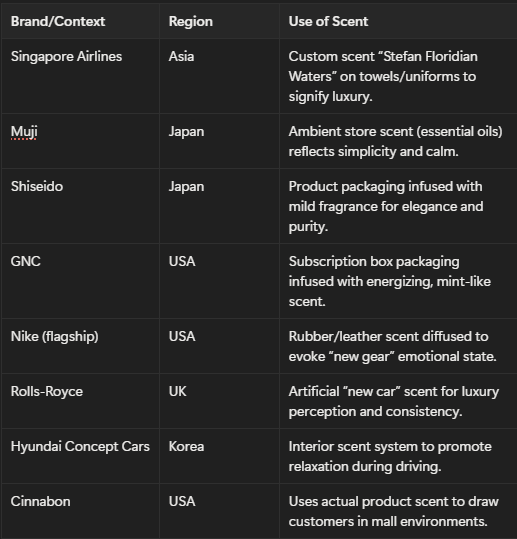
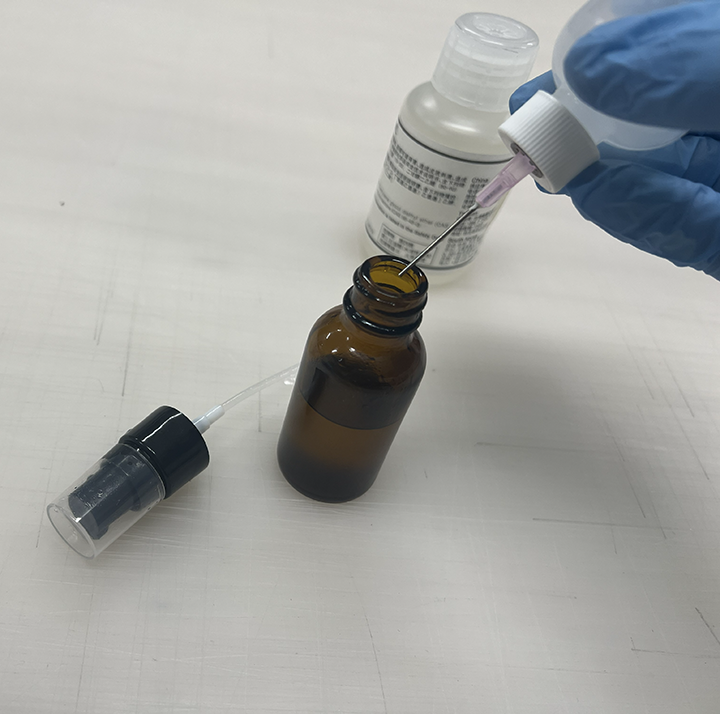
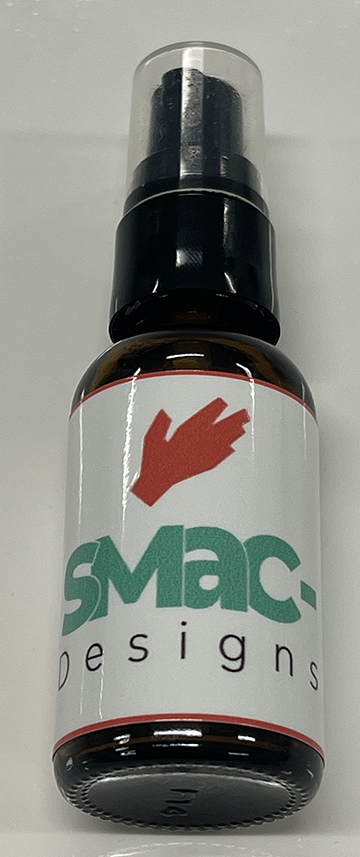
Research into scent branding revealed that olfactory cues play a powerful and underutilized role in creating memorable brand experiences, especially when visual or auditory elements are limited. Brands like Singapore Airlines and GNC demonstrate how scent reinforces identity and builds long-term emotional connections. Studies including Krishna's Customer Sense and Spence's Multisensory Branding emphasize scent's unique ability to bypass conscious processing and directly influence mood and brand loyalty. Cost analysis shows scent branding can be implemented affordably through microencapsulation, paper-based scent cards, or ambient diffusion, making it viable for businesses of any size. Cross-cultural differences in scent associations underscore the need for sensitivity and localization in olfactory design.
Learnings and next steps
Completing the multisensory branding prototypes merged academic research with hands-on creative practice. Early findings confirmed that multisensory cues reinforce brand recall and emotional connection when applied with intention and restraint. The work affirmed that inclusive branding is not simply about accommodations, it is about crafting experiences that resonate emotionally and physically with everyone. Each prototype reinforced that accessibility can drive creativity, producing work that feels both meaningful and innovative.
Future phases include more structured testing, refined guidelines, and additional examples for both print and screen. The longer-term goal is to evolve this research into a scalable framework for sensory-inclusive identity systems, exploring digital multisensory design through haptic feedback, spatial audio, and scent diffusion integrated into interactive UX environments.
Client Testimonial
"Sean's research into multisensory branding demonstrates a sophisticated understanding of accessibility, sensory psychology, and brand strategy. The work bridges academic rigor with real-world design application in a way that's rare at this stage."
See my work
A selection of UX, brand, and design systems projects spanning enterprise SaaS, identity design, and research.